
|
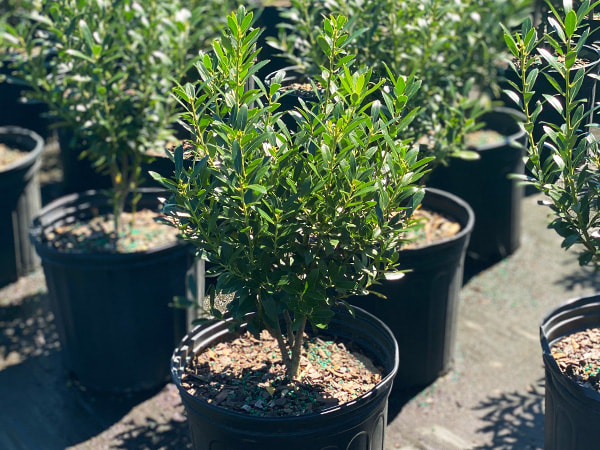
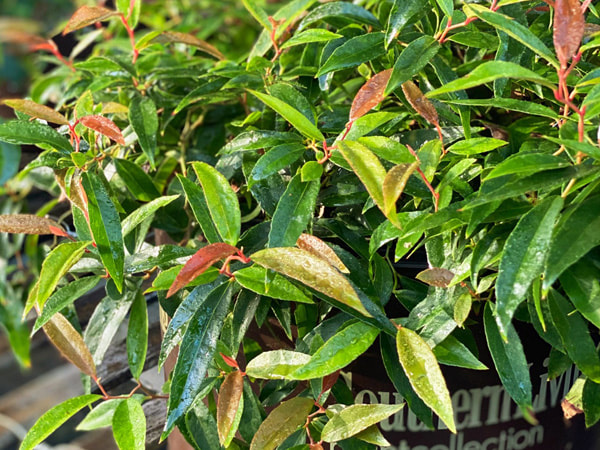
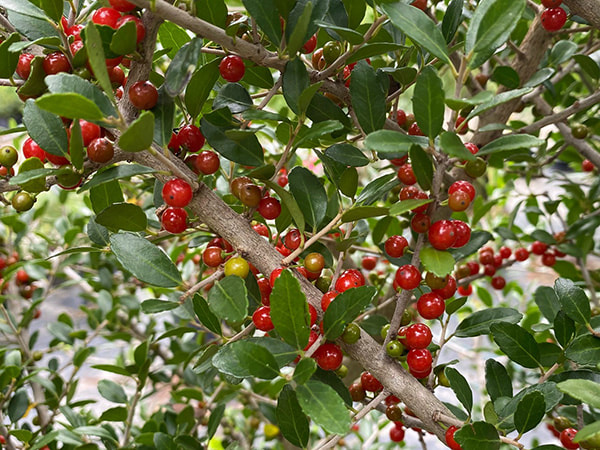
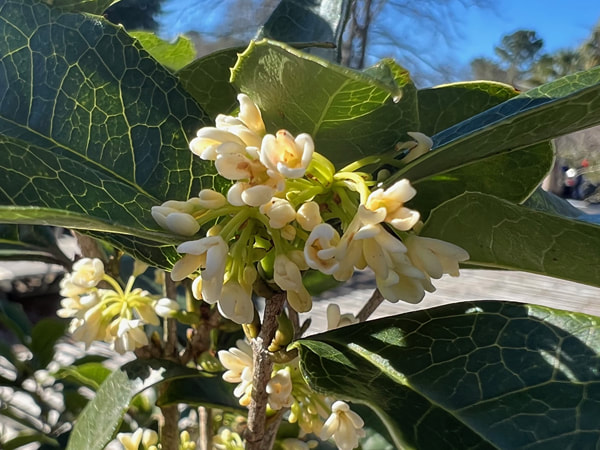
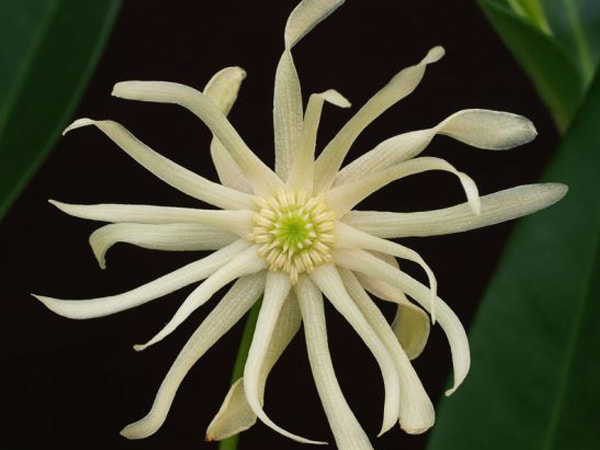
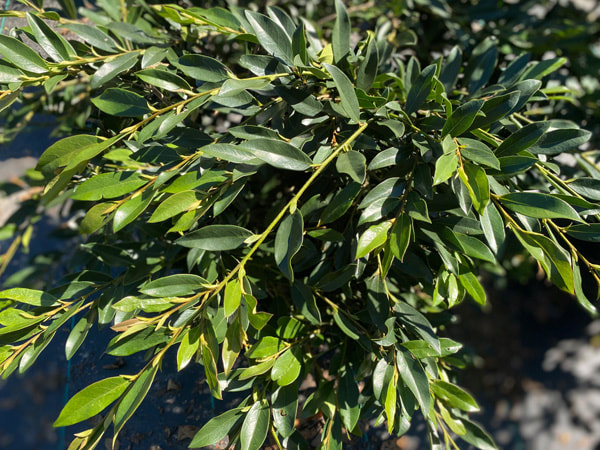
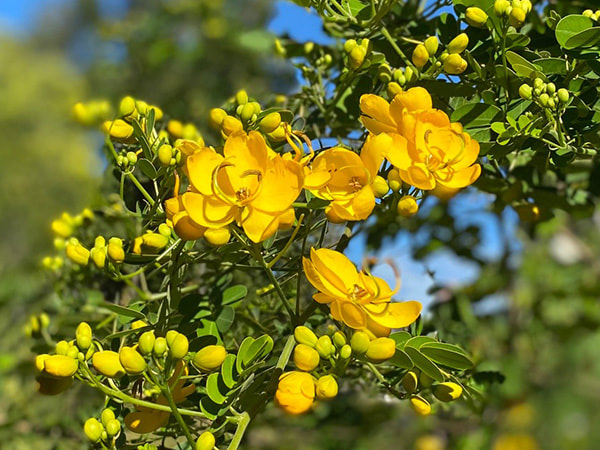
What are you noticing most in your landscape right now? Perhaps spots that are bare and uninteresting? In a developing landscape, this time of year naturally brings with it dreams of what could be. While our winters here in the Charleston are short, we must endure a span of time when branches are bare and blooms are less abundant. The good news? This is a fantastic time to see opportunities, plan, and plant for year-round appeal! Winter is also the perfect time to choose new evergreen trees and shrubs at our Garden Center. The varieties available right now are too numerous to list, but we've put together a quick list of selections for inspiration while the rest of the landscape sleeps. Evergreen Selections for Lowcountry Landscapes Our Nursery Professionals are here to assist you, so feel free to bring in photos of your landscape. It is helpful if you have dimensions of beds or the space you'd like to create, information about sun exposure, deer pressure, and/or soil difficulties such as moisture.
FOR PLANTING SUCCESS: We highly recommend amending the soil in your planting area with a Brownswood Premium Planting Mix as well as a starter fertilizer such as Espoma Organic Bio-tone® Starter Plus to give your new plants their best start. You can find our Planting Guide at the link below. It provides planting instructions and helpful information about watering and getting new plants established. We look forward to seeing you at the Garden Center! The short answer is - Yes!A Landscape Plan helps you build the landscape of your dreams. A Landscape Plan includes plant selections as well as placements for planting areas, lighting, patios, walkways, pergolas, firepits, fountains, pools, spas, and any other feature you may wish to include in your outdoor living space in the future. A Landscape Plan is especially useful in situations such as:
Drawing up a Landscape Plan does not mean you have to do all of the work at once. The key benefit of a Landscape Plan is arriving at a final result that includes all of your landscaping goals. This plan can be implemented in phases over time as your budget allows. Brownswood Nursery & Landscape can assist you every step of the way. There are many details to consider when planning your new landscape, but not to worry. Our Landscape Design Team will be working closely with you every step of the way to be sure your project is realized to its fullest potential. We will ask you questions such as: How do you want to utilize your outdoor space? Do you need an area for outdoor entertaining? Are there specific plants that you love? Are you interested in a certain theme in your landscape? And more, so that we understand all of your preferences before any implementation work begins. We will perform a detailed site analysis to make the optimal recommendations for your space and hold multiple meetings with you throughout the design process to ensure that your vision is coming together as you expect. No matter the size of your project, our process is thorough and thoughtful. We want you to love your space, and we see it as an honor to work with you to create your dream landscape! 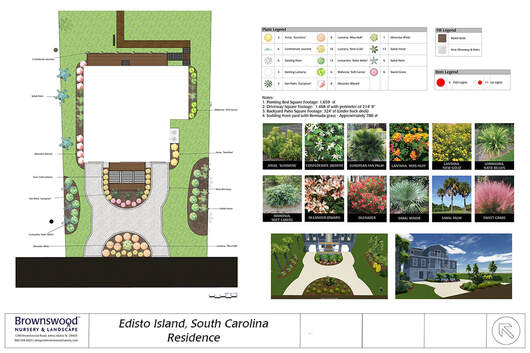 Sample large format design A Landscape Plan from Brownswood Nursery & Landscape includes:
The time to start planning your landscape transformation is now! To be sure all aspects of your project are carefully considered, time is allowed for any necessary approvals (by your neighborhood's HOA, ARB, or ARC, for example), and each detail is mapped out to your satisfaction, it's best not to delay the planning phase of your new landscape. Ultimately, the goal is you being completely happy with the end result. To get there, you may even start the planning phase of your project well before the first flush of foliage and blooms appear in spring. No matter the season, beginning the conversation with a landscape consultant is the first step to your complete landscape transformation. Design CLIENT Testimonials
*All Consultation Fees are non-refundable. You must give 48 hours notice to reschedule appointment. Locations greater than 20 miles from our business address will incur an additional fuel surcharge.
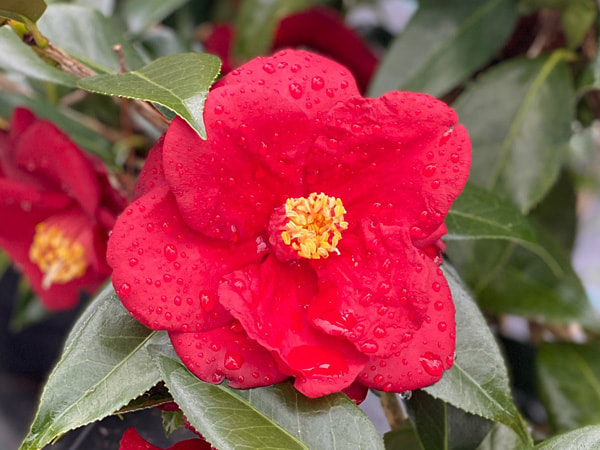
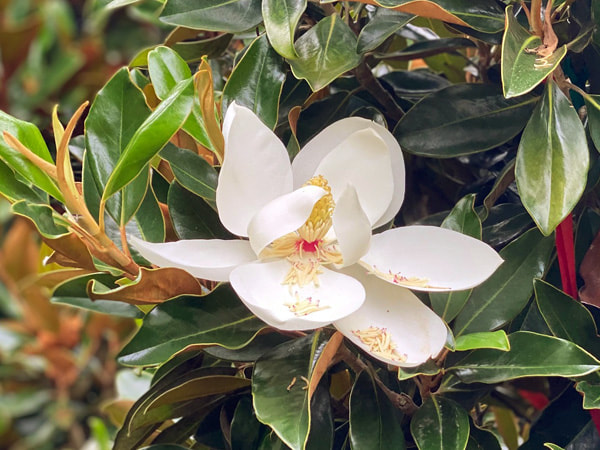
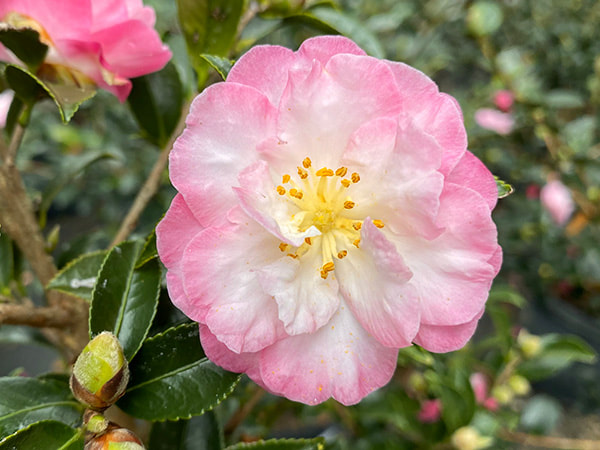
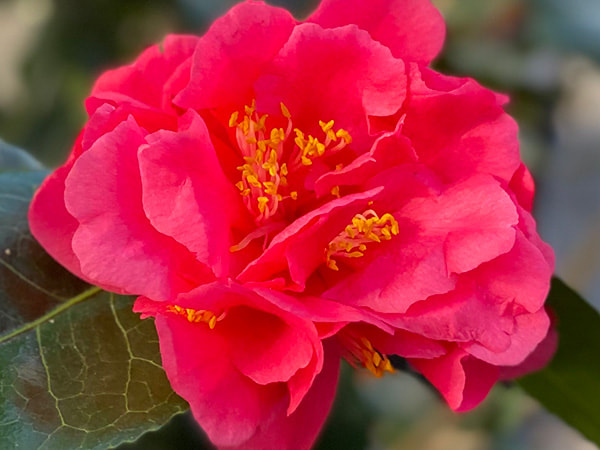
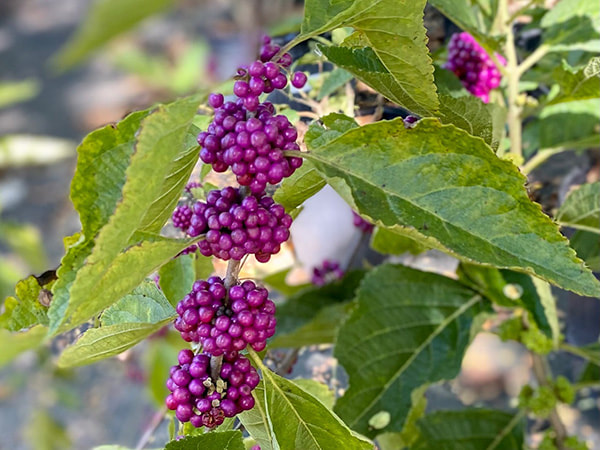
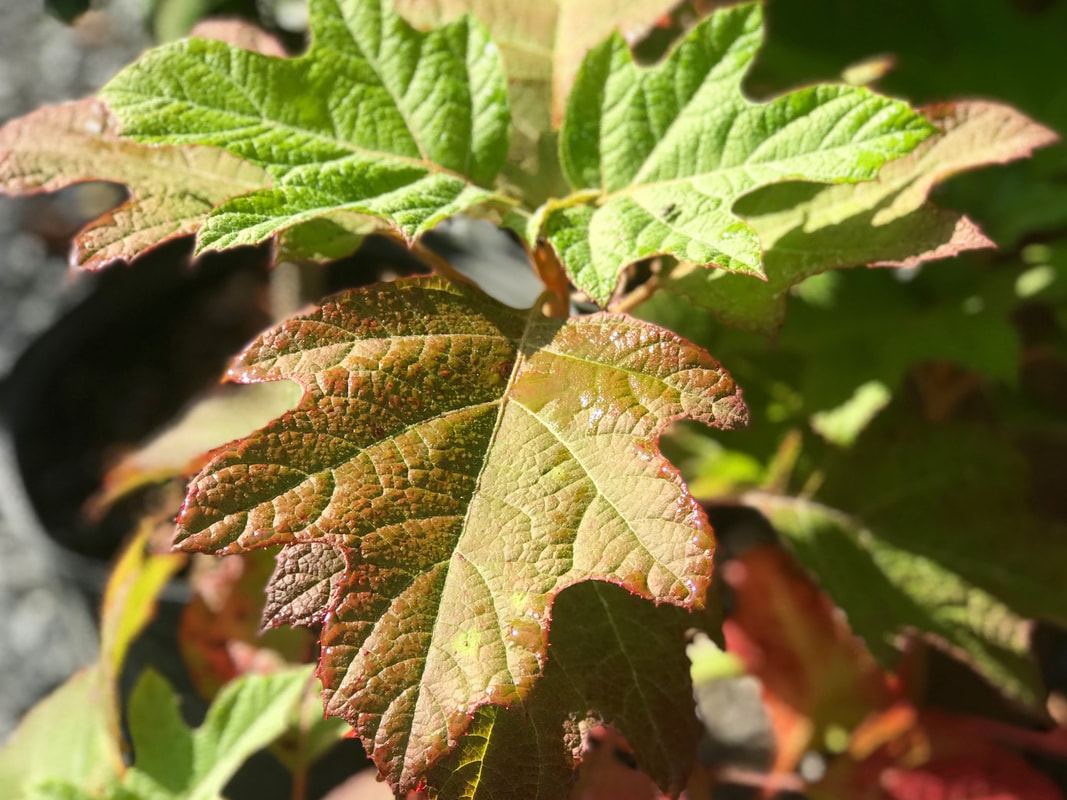
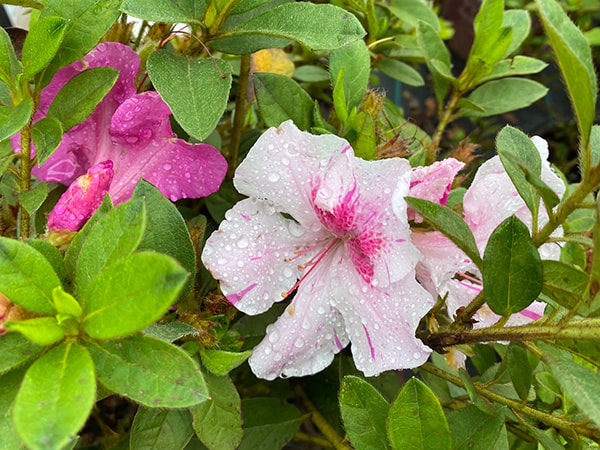
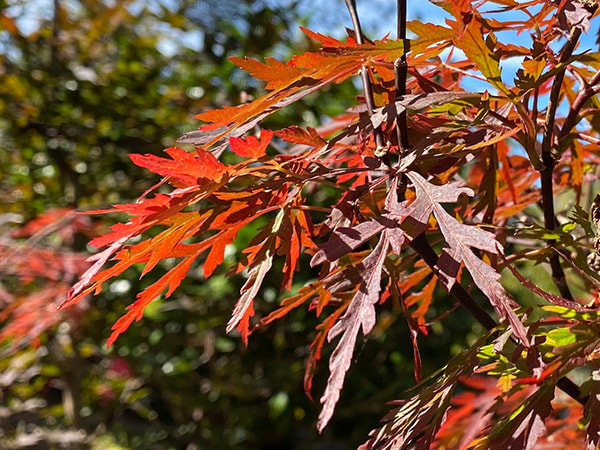
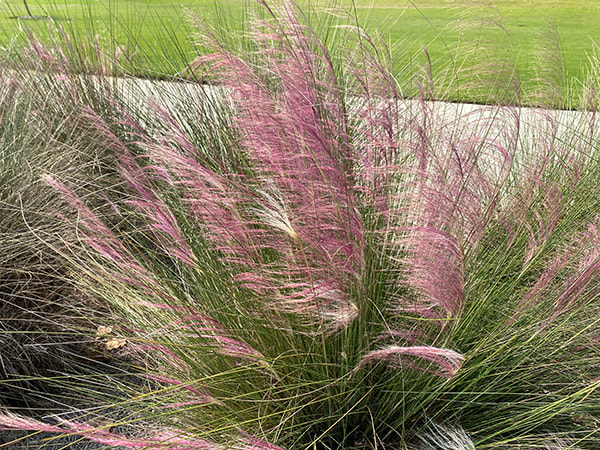
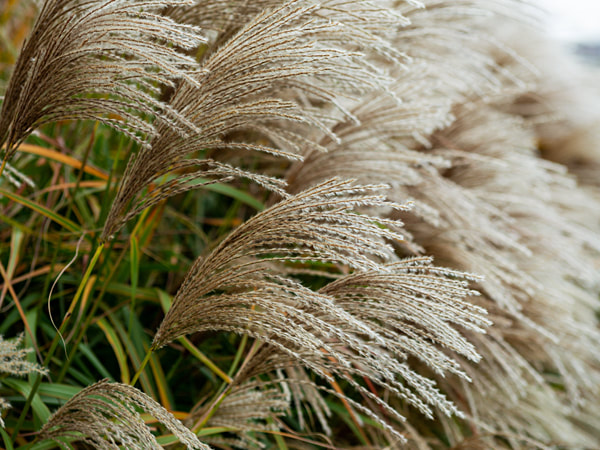
12 Shrubs, Trees, and Grasses for Fall and Winter InterestThankfully, the gardening season here in Charleston is not limited to the warmer months of the year. Planting can continue throughout the fall and winter months, allowing new plantings to get settled in before the first flush of spring growth appears. Not only can we continue to plant, but there are many trees, shrubs, and grasses that offer seasonal color and blooms during our fall and winter months. As the warm-season landscape goes to sleep, the show goes on! Fall and Winter Landscape Shopping Tip: Visit the Garden Center during the fall and winter seasons to get a good idea of how landscape plants you've been considering look during cooler weather. You'll discover that the form of some trees and shrubs can be just as interesting in the landscape without leaves as they are leafed out in spring and summer. For those shrubs that bloom in the fall and winter, you'll also be able to see flower colors and forms in person. And, last but not least, you'll have the opportunity to choose some new favorite evergreens! Camellia - Queens of the Fall and Winter garden! Both of our most popular Camellia shrub species have lustrous green foliage all year long, but there are key differences such as:
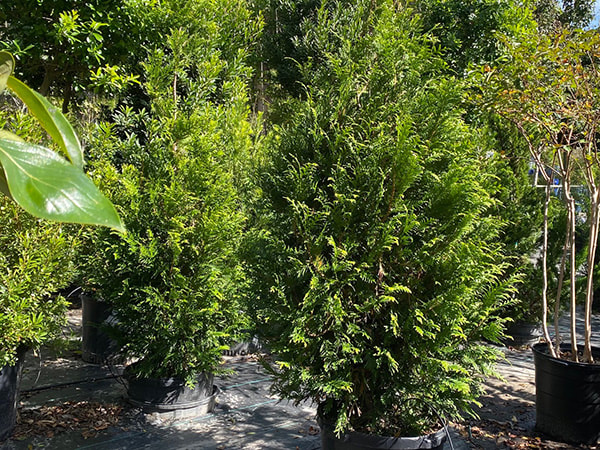
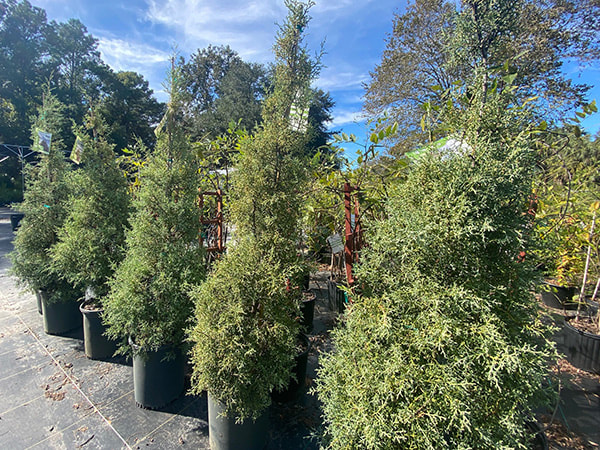
Holiday Decorating Tip: Evergreen trees such as Green Giant Arborvitae and Carolina Sapphire Cypress can also be used as living Christmas trees. Choose a size that makes sense for your indoor or outdoor living space, add your favorite decorations and lights, and enjoy the tree during the Christmas season. Your tree can then be planted in its forever home after the holidays. The fragrant foliage of these trees can also be used in wreaths, swags, and other winter arrangements!
FOR PLANTING SUCCESS:We highly recommend amending the soil in your planting area with Brownswood Premium Planting Mix as well as a starter fertilizer such as Espoma Organic Bio-tone® Starter Plus to give your new plants their best start. You can find our Planting Guide at the link below. It provides planting instructions and helpful information about watering and getting new plants established. We look forward to seeing you at the Garden Center!
|
Categories
All
Archives
March 2024
|
 RSS Feed