Brownswood Nursery & Landscape

  • Home
  • Our Roots
    • Careers
  • Service Areas
    • Johns Island
    • Kiawah Island
    • Seabrook Island
    • Downtown Charleston
    • Mt. Pleasant
    • Daniel Island
    • West Ashley
    • More Locations
  • Services
    • Landscape Design
    • Landscape Build
    • Maintenance
  • Portfolio
  • Garden Center
    • Brownswood Grown
    • The Gardener's Corner
    • NEW - Quick Sketch
    • Classes & Events
  • SHOP
  • Home
  • Our Roots
    • Careers
  • Service Areas
    • Johns Island
    • Kiawah Island
    • Seabrook Island
    • Downtown Charleston
    • Mt. Pleasant
    • Daniel Island
    • West Ashley
    • More Locations
  • Services
    • Landscape Design
    • Landscape Build
    • Maintenance
  • Portfolio
  • Garden Center
    • Brownswood Grown
    • The Gardener's Corner
    • NEW - Quick Sketch
    • Classes & Events
  • SHOP

Southern Charm in Bloom: Choosing the Perfect Camellia for Your Charleston Garden

8/28/2025

 
If you’ve lived in the Lowcountry long enough, you know camellias are more than just plants - they’re part of Charleston’s story. These graceful evergreens bring timeless Southern beauty to our gardens, with glossy foliage and blooms that brighten even the grayest winter days. At Brownswood Nursery & Landscape, we carry a wide selection of camellias - sasanqua, japonica, sinensis, and hybrids - each with its own character and best use in the landscape. Let’s walk through the options so you can pick the perfect fit for your Charleston garden.
Picture
Picture
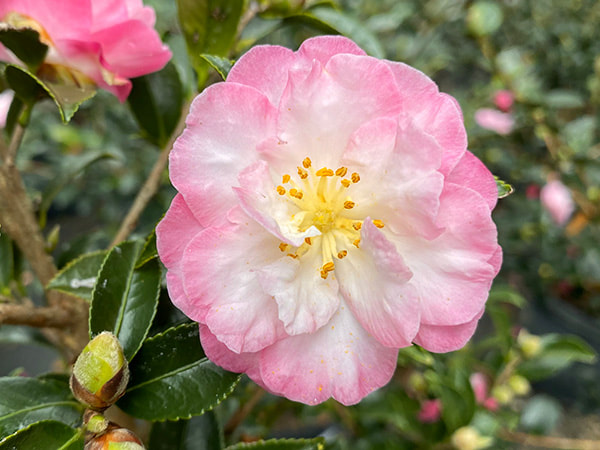
Camellia sasanqua
  • Bloom Time: Early fall into early winter
  • Size: Typically 6–12 feet tall, 4–8 feet wide
  • Habit: Graceful, airy, often more compact than japonicas
  • Landscape Use: Excellent for hedges, foundation plantings, and as specimen shrubs. Their smaller leaves and abundant blooms make them versatile and manageable.
Picture
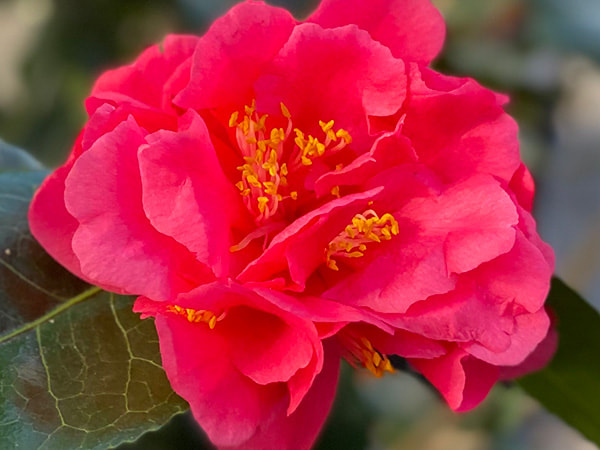
Camellia japonica
  • Bloom Time: Mid- to late winter into spring
  • Size: 10–20 feet tall, 6–10 feet wide (can become small trees over time)
  • Habit: Dense, upright form with larger leaves and show-stopping blooms in a wide array of colors and forms.
  • Landscape Use: Perfect as specimen plants or as a focal point in shaded woodland gardens.
Picture
Camellia sinensis (The Tea Camellia)
  • Bloom Time: Fall
  • Size: 6–15 feet tall, depending on pruning
  • Habit: Upright shrub with small white fragrant flowers
  • Landscape Use: Historically prized for tea leaves, sinensis adds both function and charm to Charleston gardens. It thrives as a hedge or informal shrub, especially for those who love gardening with purpose.
Picture
Hybrid Camellias
  • Bloom Time: Varies by cross - often chosen for extended or unusual bloom seasons
  • Size & Habit: Wide range; often bred for cold-hardiness, compact growth, or unique flowers
  • Landscape Use: Ideal for gardeners looking for something a little different, hybrids bring new colors, forms, and adaptability to Lowcountry landscapes.
Picture
Camellias are hardy but reward proper planting and care with decades of beauty. Here’s how to set them up for success:
  • Site Selection: Choose a location with partial shade (morning sun, afternoon shade is best). Protection from harsh winds helps preserve blooms.
  • Soil: Camellias prefer slightly acidic, well-draining soil.
  • Planting: Dig a wide, shallow hole—camellias don’t like being planted too deep.
​At Brownswood Nursery & Landscape, we recommend planting with our premium potting mix and Espoma® Organic® Bio-tone® Starter Plus Fertilizer to encourage strong root growth. For step-by-step instructions, check out our Planting Guide.
Download Our Planting Guide
  • Watering: Keep soil evenly moist the first year; once established, camellias are fairly drought tolerant.
  • Mulching: A 2–3" layer of pine bark or straw helps maintain moisture and suppress weeds.
  • Pruning: Lightly prune after blooming to shape and remove dead wood.
Picture
Whether you want the early flush of sasanquas, the bold winter color of japonicas, the fragrance and history of sinensis, or the novelty of hybrids, camellias are truly the queens of the Charleston garden. With the right selection and care, they’ll be a legacy in your landscape - bringing beauty for generations.
​
Visit us at Brownswood Nursery & Landscape and let our team help you find the camellia that speaks to your garden’s story.
Picture

Tiny But Mighty – 10 Dwarf SHRUBS that Make a Big Impact

7/21/2025

 
When space is limited but your landscape goals are big, dwarf shrubs are the answer. These compact powerhouses are perfect for foundation plantings, low hedges, and mid-layer accents in garden beds. They also shine in containers, offering color, structure, and texture year-round. Whether you’re designing a small courtyard or simply want low-maintenance plants with high visual impact, these “tiny but mighty” selections pack a punch.

Below, we’re spotlighting some of our favorite dwarf shrubs that thrive in the Lowcountry’s climate and look stunning in both formal and relaxed garden designs.
Picture
Dwarf Yaupon Holly
​
Dwarf Yaupon Holly is a tidy, evergreen shrub with small, glossy leaves and a naturally mounded shape. It’s drought-tolerant, highly adaptable, and well-suited for low hedges, borders, or accent plantings. Native to the Southeast, it brings both beauty and resilience to the landscape, needing little more than occasional shaping to maintain its form. Deer non-preferred.
Picture
Loropetalum 'Crimson Fire'
​
With deep burgundy foliage and bright pink fringe-like blooms, ‘Crimson Fire’ Loropetalum offers dramatic color contrast in a compact form. This dwarf variety grows slowly and stays under 5 feet tall, making it a great choice for small garden beds or as a striking container specimen. Its year-round color and easy-care nature make it a standout.​
Picture
Pringle Yew
Ideal for formal landscapes or clean-lined plantings, Pringle Yew features soft, dark green foliage and a dense, compact habit. This tough shrub thrives in the heat and humidity of Charleston. It’s excellent for shaping into low hedges or used as a neat foundation plant that complements both modern and traditional architecture. Deer non-preferred.
Picture
Little John Dwarf Bottlebrush
​
This Australian native is a showstopper with its fuzzy, bright red bottlebrush blooms and blue-green foliage. ‘Little John’ stays compact and dense, typically reaching 3 feet tall and wide. It attracts hummingbirds and pollinators while standing up well to heat and drought, making it an eye-catching and wildlife-friendly option for containers or sunny beds. ​Deer non-preferred.
​
Picture
Cryptomeria ‘Globosa Nana’
This dwarf variety of Japanese Cedar offers soft, rich green foliage in a rounded, textural form. Growing slowly to about 3–4 feet tall and wide, it’s a unique choice for year-round interest. It adds a whimsical, almost sculptural quality to gardens and looks fantastic in containers or as a focal point in a low-maintenance bed.
Picture
Dwarf Encore® Azaleas
​
Encore® Azaleas are beloved for their repeat blooming habit, and the dwarf varieties are perfect for smaller spaces. With heights ranging from 2 to 3 feet, these evergreen shrubs bring bursts of color in spring, summer, and fall. Use them in mass plantings, as a low flowering hedge, or to brighten up a patio with blooms from shades of coral to pure white
Picture
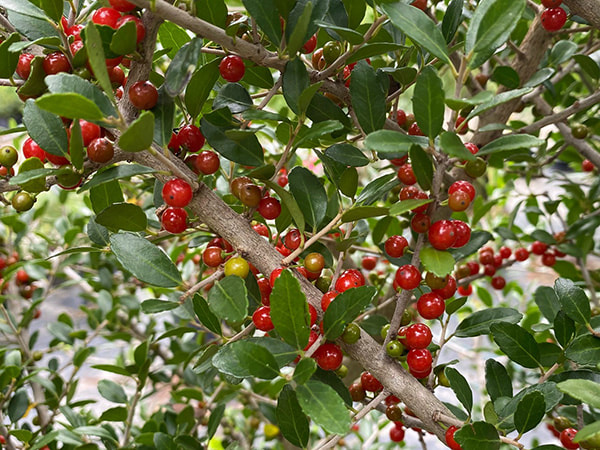
Dwarf Burford Holly
​
A classic choice for Lowcountry landscapes, Dwarf Burford Holly has shiny, dark green leaves and bright red berries in winter. Its upright, compact growth habit makes it a versatile plant for hedges, screens, or accent plantings. It’s tough, adaptable, and tolerates pruning well—ideal for structure and seasonal interest in any garden.
Picture
Cinnamon Girl® Distylium
​Cinnamon Girl® Distylium is a low-growing evergreen with soft, blue-green foliage and a graceful, mounding habit. In late winter, it produces small, red-maroon flowers that add subtle seasonal interest. Its compact size (2–3 feet tall and 3-4 feet wide) and exceptional disease resistance make it a smart, low-maintenance alternative to boxwood or hollies. Use it as a foundation plant, in mass plantings, or to add evergreen structure to mixed beds.
Picture
Drift® Roses
​
Drift® Roses combine the beauty of traditional roses with the easy care of groundcovers. These compact, repeat-blooming shrubs stay around 2 feet tall and bloom profusely from spring through fall. Available in a variety of colors—from peach to coral to red—they’re ideal for borders, containers, or filling in sunny landscape pockets. Drift® Roses are disease-resistant, low-maintenance, and perfect for adding long-lasting color to Charleston gardens.
Picture
Sunshine Ligustrum
​
Sunshine Ligustrum is a standout for vibrant, year-round color with its bold, golden-yellow foliage that adds brightness and contrast to any landscape. This sterile, non-invasive variety of ligustrum is easily maintained at 3–4 feet tall and wide, making it an excellent choice for low hedges, foundation plantings, or containers. Heat-tolerant, it thrives in full sun and requires minimal maintenance - just occasional pruning to maintain its tidy form.

5 Quick Tips for Pruning & Maintaining Dwarf Shrubs
  1. ​Know the natural shape – Most dwarf shrubs require minimal pruning. Trim only to enhance their form, not to force a shape.
  2. Prune after flowering – For bloomers like azaleas and bottlebrush, prune just after flowering to avoid removing next season’s buds.
  3. Use clean tools – Sharp, sanitized shears prevent disease and allow for cleaner cuts.
  4. Avoid heavy pruning – Cutting back too much can stress the plant or ruin its natural structure.
  5. Mulch & monitor – Keep a 2–3” layer of mulch around your shrubs and check for pests and disease during routine maintenance.

Need Help Choosing the Right Dwarf Plants?
Picture
FREE Garden Center Quick Sketch
Our Garden Center Quick Sketch service is a free offering where a Nursery Professional helps you plan the perfect planting layout. Book an appointment today to get started on your next landscape project. 
Book a Quick Sketch
Get inspired by exploring our plant collection at shop.brownswoodnursery.com.

10 Plants That Can Take the Heat - Charleston Style

6/19/2025

 
Charleston summers are no joke. Between the rising temps, high humidity, and long stretches without rain, your landscape has to be tough to thrive. Fortunately, our growing region is home to a wide variety of plants that don’t just survive the summer - they shine in it.

Whether you’re refreshing your foundation plantings or creating a brand-new landscape design, these heat-tolerant selections are ready to handle whatever Charleston’s summer throws at them.
Picture
Hydrangea Limelight
Known for its enormous cone-shaped blooms that start lime green and mature to cream and pink, 'Limelight' is a summer showstopper. It handles sun better than many other hydrangea varieties and is a great pick for a sunny garden with afternoon shade.
Picture
Pineapple Guava
This evergreen shrub or small tree is as practical as it is beautiful. With edible flowers and fruit and attractive silvery foliage, Pineapple Guava is highly tolerant of heat, drought, and even salt spray - perfect for coastal landscapes.
Picture
Crape Myrtle Trees
A true Southern classic. With long-lasting summer blooms in shades of white, pink, purple, and red, crape myrtles thrive in full sun and heat. Plus, their sculptural bark and fall color offer year-round interest.
Picture
Bottlebrush
Named for its bright red, brush-like flowers, this evergreen shrub loves heat and sunshine. Pollinators love it too. Use it as a striking focal point or a blooming hedge in sunny beds.
Picture
Sabal Minor (Dwarf Palmetto)
A native palm to the Southeastern U.S., Sabal minor is a compact, hardy palm perfect for low-maintenance landscapes. It tolerates heat, cold, flooding, and drought—an ideal addition to any Charleston garden.
Picture
Recurve Ligustrum
This durable evergreen is a landscape workhorse. With dark green, glossy foliage and a naturally crisp, white blooms, it’s great for hedging and privacy planting. Bonus: it thrives in hot, humid conditions with little fuss.
Picture
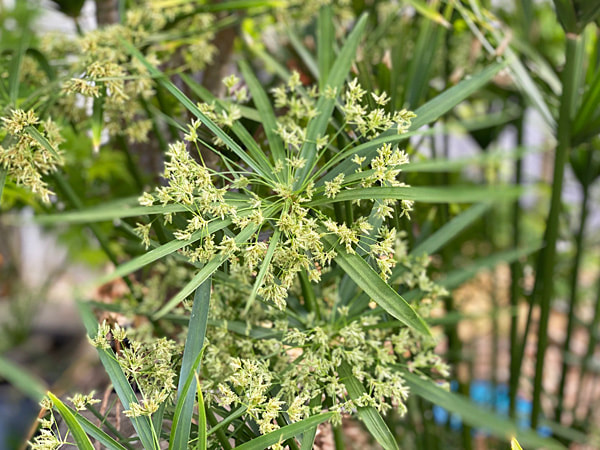
Chinese Fan Palm
Want tropical vibes? Chinese Fan Palm delivers with large, fan-shaped leaves and a graceful canopy. Heat and drought tolerant, it's an excellent accent in Charleston’s warmer microclimates.
Picture
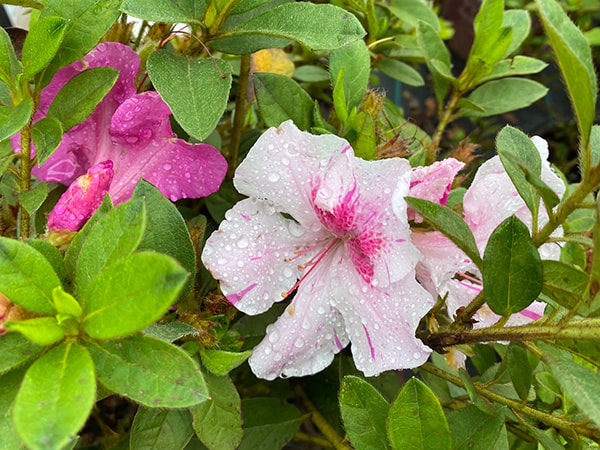
Encore® Azalea ‘Autumn Twist’
With its unique pink and white striped blooms, this reblooming azalea adds color multiple times a year - even in the heat of summer. Although tolerant of full sun, its ideal spot in the landscape offers a little afternoon shade.
Picture
Gardenia ‘August Beauty’
Few things say “Charleston garden” like the fragrance of gardenias. ‘August Beauty’ is a classic cultivar with large, double white blooms from late spring through summer. Loves warmth and brings elegance to beds and borders.
Picture
Variegated Pittosporum
With creamy white-edged foliage and compact growth, this evergreen shrub brightens up garden spaces year-round. It’s heat-tolerant and drought-resistant once established - ideal for sunny foundations and mixed borders.

5 Tips for Caring for Plants During Charleston’s Summer Heat
Even the toughest plants need a little extra care when the temperatures soar. Here are five essential tips to help your landscape beat the heat:
​
  1. Water Deeply and Early
    Water in the early morning to reduce evaporation. Aim for less frequent but deep watering to encourage strong root systems.

  2.  Add a Layer of Mulch
    Mulch helps retain soil moisture, regulate temperature, and reduce weed competition. Apply 2–3 inches around your plants (but keep mulch away from trunks and stems).

  3. Watch for Signs of Stress
    Wilting, scorched leaves, or leaf drop can be signs your plants are struggling. Adjust your watering schedule or provide temporary shade to help them recover.

  4. Avoid Fertilizing During Peak Heat
    Fertilizing in mid-summer can stress plants and encourage new growth that may burn in the heat. Wait for a break in the weather or fertilize earlier in the season.

  5. Plan Ahead with the Right Plants
    Choose heat-tolerant, Charleston-tested varieties like the ones above to set your landscape up for success. Right plant, right place = happy plants all summer long.

Need help choosing the best heat-tolerant plants for your yard?
Picture
FREE Garden Center Quick Sketch
Stop by the Garden Center or set an appointment to speak with one of our Nursery Professionals for a FREE Quick Sketch of your space and personalized plant recommendations.
Or explore more options at shop.brownswoodnursery.com.
Book a Quick Sketch
<<Previous
Forward>>

    Categories

    All
    Charleston Landscaping
    Evergreens
    Gardening Calendar
    Garden Problem Solving
    Garden Tips
    Indoor Plants
    Landscape Design
    Native Plants
    Privacy Plants
    Shrubs
    Soil Amendments
    Trees
    Videos

    Archives

    February 2026
    January 2026
    December 2025
    November 2025
    October 2025
    September 2025
    August 2025
    July 2025
    June 2025
    May 2025
    March 2025
    February 2025
    January 2025
    December 2024
    October 2024
    September 2024
    August 2024
    July 2024
    June 2024
    December 2023
    October 2023
    August 2023
    November 2022
    February 2022
    September 2021
    July 2021
    June 2021
    April 2021
    March 2021
    February 2021
    January 2021
    December 2020
    November 2020
    October 2020
    September 2020
    August 2020
    July 2020
    June 2020
    May 2020
    April 2020
    March 2020
    February 2020
    January 2020

    RSS Feed

CONTACT US

(843) 559-3425
[email protected]
1290 Brownswood Road
​Johns Island, SC 29455
Employment Application
[email protected]

HOURS OF
​OPERATION

Monday-Friday 8:00am-5:00pm
Saturday 9:00am-4:00pm
Closed on Sundays

CUSTOMER CARE

Gift Cards
​Careers
Wholesale Application
Warranty Information
Book a Consultation
​Read our Blog

Privacy Policy

JOIN OUR NEWSLETTER

Sign Up Now
© COPYRIGHT 2026. ALL RIGHTS RESERVED.
Picture
Picture
Picture
Picture